Behind every NdFeB magnet is a long supply chain. Understanding it helps buyers plan lead times, evaluate suppliers and make sense of price movements. The journey has five main stages.
Stage 1 — Mining and separation
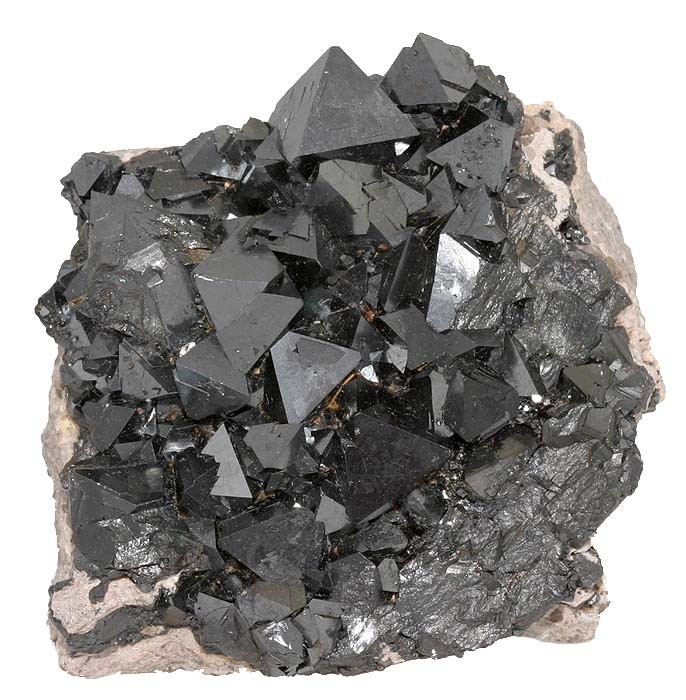
Rare-earth ore is mined, crushed and processed into rare-earth oxides — the raw starting material. Separation is slow and concentrated in a handful of regions, which is why this stage shapes global supply.
Stage 2 — Metal and alloy
The oxides are reduced into metals, then melted with iron and boron into alloy. The alloy is cast into strips that form the basis for the magnet powder.
Stage 3 — The magnet plant
At the magnet factory the alloy becomes powder, is pressed in a magnetic field, sintered into blocks, machined to size and coated. This is the stage you usually visit as a buyer — but it is only half the story.
Stage 4 — Assembly
Blocks are magnetized, glued or pressed into housings, and assembled into rotors, sensors or holding devices. Some customers skip this stage and buy bare magnets instead.
Stage 5 — The end product
Finally the assemblies reach motors, speakers, wind turbines and the products your customers buy.
Why this matters to buyers
Each stage adds time. A full order — from raw material to finished assembly — can take several months, and upstream shortages ripple down the chain quickly. Plan requirements early, share forecasts with suppliers, and treat long lead times as normal rather than as a failure.
Read on: raw material ingredients → · how magnets are made →