What Is a Neodymium (NdFeB) Magnet?
Sintered, bonded and hot-pressed — the three manufacturing routes behind the strongest permanent magnets on the market.
From NdFeB to SmCo, from remanence to energy product — Magnet Guide explains permanent magnet materials in plain, engineering-friendly language. Learn the fundamentals, look up grade data, and run quick calculations.
What a hysteresis loop actually shows, what remanence means, why flat magnets demagnetize easily. Each topic starts from first principles.
Browse articles →Sintered NdFeB grades N, M, H, SH, UH, EH, TH — remanence, coercivity and energy product, searchable and filterable.
Open the table →Surface field, pull force, magnetic moment, permeance coefficient Pc, unit conversion — engineering estimates right in the browser.
Run a calculation →PrNd oxide, DyFe and Tb price history — the raw-material cycle that drives magnet pricing.
View the charts →From the motor in your electric car to the MRI in a hospital — rare-earth magnets are everywhere. Explore the applications and the magnet science behind each one.
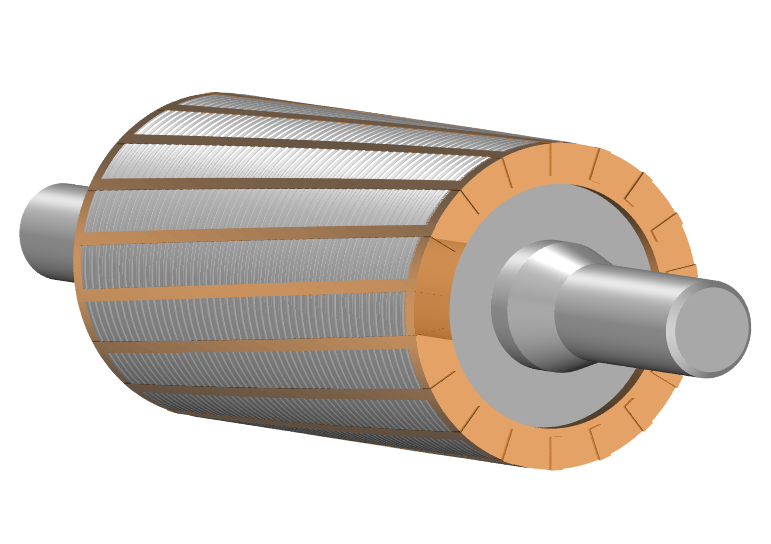
Magnets make motors smaller, lighter and far more efficient.
Read the article →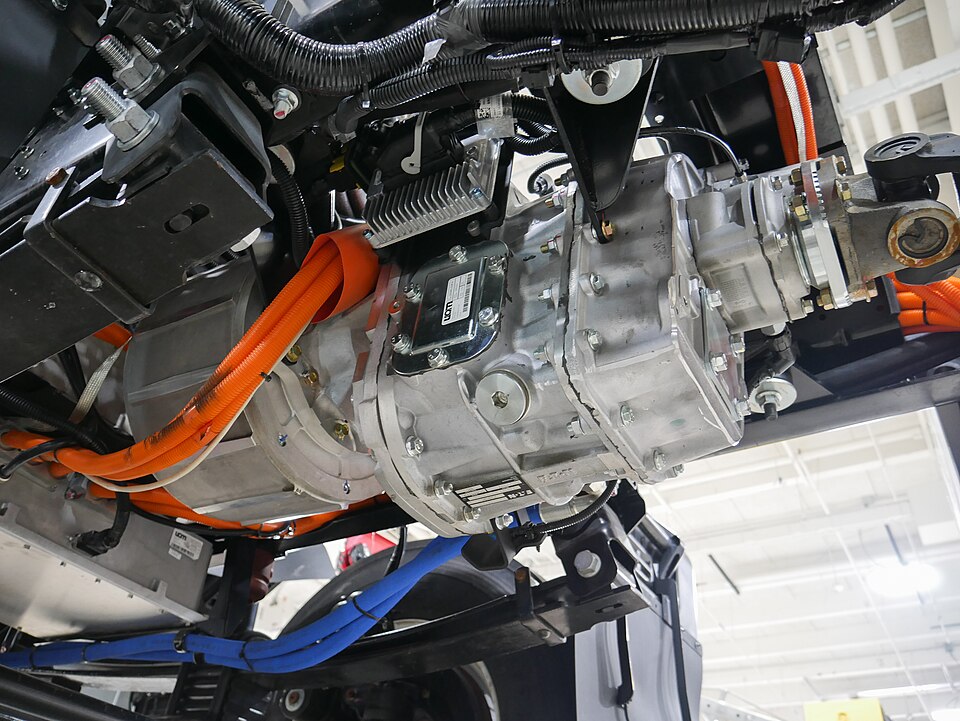
High-temperature grades like UH and EH survive the drive unit.
Temperature behavior →
Direct-drive generators use tons of NdFeB per turbine.
Halbach arrays →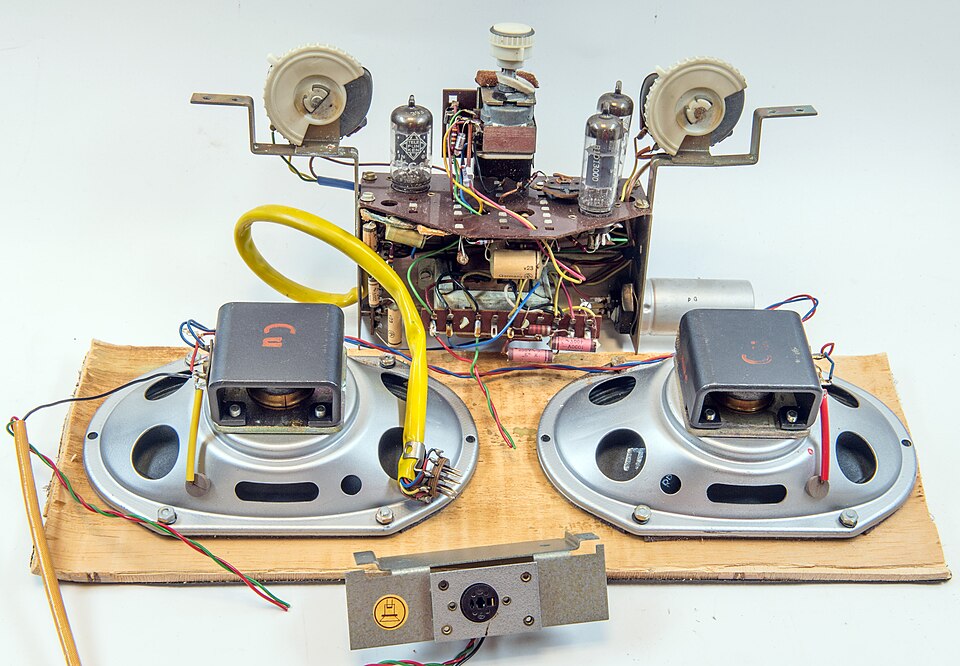
Every loudspeaker is driven by a permanent magnet voice coil motor.
Magnetic moment →
Imaging systems rely on precisely controlled magnetic fields.
SmCo magnets →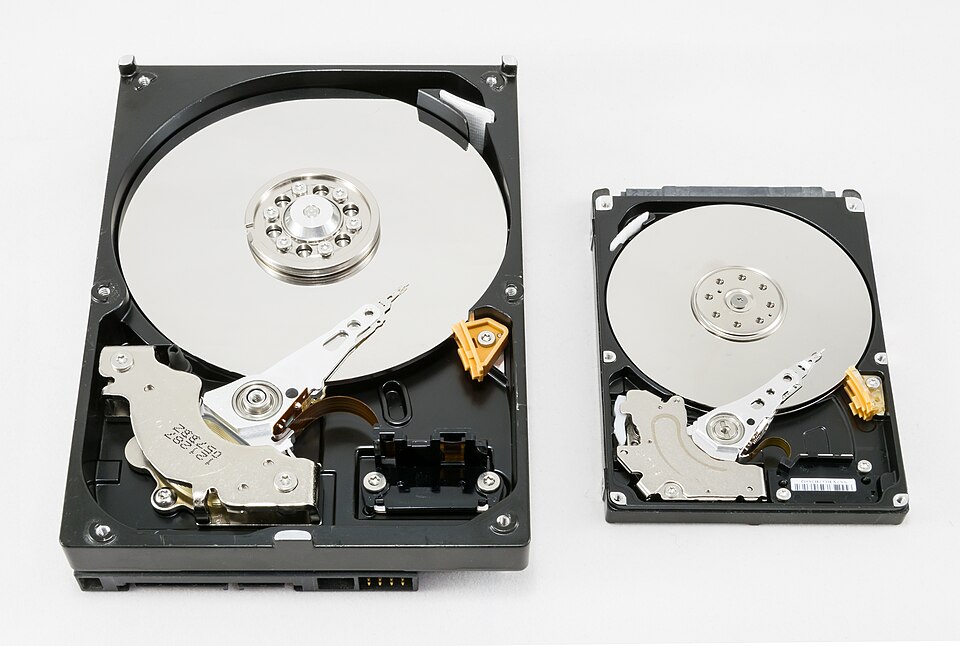
Voice-coil actuators in hard drives are magnet-driven.
Inspection methods →Sintered, bonded and hot-pressed — the three manufacturing routes behind the strongest permanent magnets on the market.
Remanence, coercivity, intrinsic coercivity and maximum energy product — the first step to reading any magnet spec.
One curve holds the whole story: where Br, Hcb, Hcj and (BH)max come from, and how heat reshapes it.
The number is energy product, the letters are coercivity. Decode any NdFeB grade in seconds.
Br falls 0.12% per °C, coercivity five times faster. Working temperature, Curie temperature and the Pc trap.
The complete RFQ checklist: grade, dimensions, magnetization direction, coating, inspection and lead time.
Enter dimensions and a grade — get an engineering estimate. Everything runs locally; your data never leaves the device.
Center surface flux density for cylindrical and block magnets.
B = (Br/2)·[(T+X)/√(R²+(T+X)²) − X/√(R²+X²)]Maximum holding force against a steel plate, or between two magnets.
F = B²·A / (2μ₀)Moment for cylinder, block and ring geometries.
m = Br·V·(Pc+1)/(Pc+1.05)The shape factor that decides the operating point and temperature stability.
Pc = L·√(R(R+L)) / R²T ↔ G, Oe ↔ A/m, MGOe ↔ kJ/m³.
1 T = 10⁴ G · 1 Oe = 79.58 A/mOpposing-pole force between two identical magnets vs. gap.
F(z) = B₁(z)²·A/(2μ₀)Rare-earth prices drive magnet costs. See the history of PrNd oxide, DyFe alloy and Tb metal.
The core raw material of rare-earth magnets, and the main driver of magnet pricing.
View chart →The heavy rare earth added to raise coercivity in high-temperature magnet grades.
View chart →The most expensive heavy rare earth, used in small amounts for the highest temperature grades.
View chart →
RFQs, technical questions and feedback — we read every message. We can also help you compare grades, check a design, or find the right material for your application.
Email us: tech@magleed.com