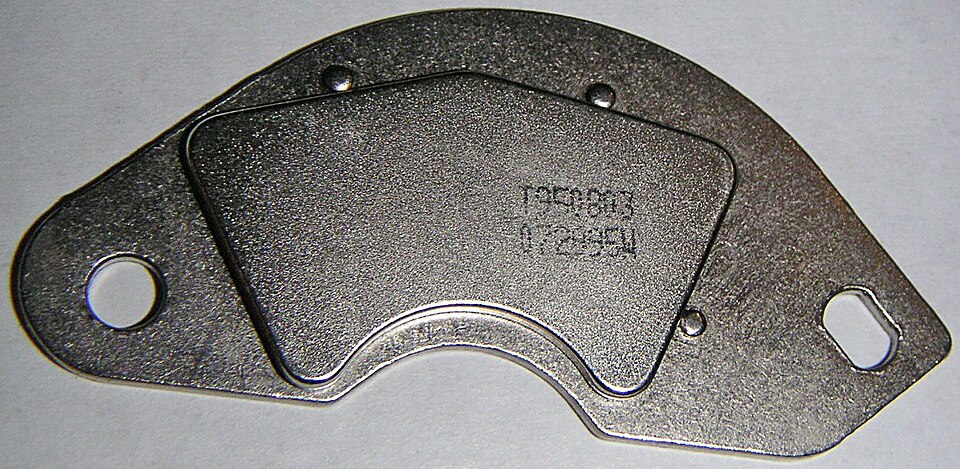
When a customer asks for "UL-certified magnets", the request usually carries a misunderstanding: UL does not test magnetic strength at all. UL (Underwriters Laboratories) tests product safety — fire resistance, electrical safety and mechanical robustness — not how strong a magnet is. If your customer demands it, you need to know what the mark covers, and what it does not.
What UL actually covers
UL recognition matters for magnet assemblies used inside electrical products: motor rotors, sensor housings, actuators and similar parts. The certification says the assembly, its insulation, adhesives and coatings meet safety requirements, so it can be used safely inside an end product.
For raw magnets themselves — a bare block or ring — UL certification is rarely relevant. There is nothing to burn or short-circuit.
Reading UL marks
- UL Listed — the complete product meets UL requirements.
- UL Recognized — a component is approved for use inside a larger product.
Both marks matter, but for magnet parts you will usually see "Recognized". One detail to remember: the mark is only valid for the exact design tested — change the coating, adhesive or housing, and the recognition may no longer apply.
How to get it
Testing happens at accredited labs. The manufacturer prepares samples, the lab runs the relevant standards, and the results decide whether the component qualifies. Expect this to add time to a new project — plan for it early, and ask suppliers whether they already hold the recognition you need. The process is not instant, so lock the design before you start.
Buyer's takeaway
If your customer demands UL marks, check which mark and for which end product. A certified assembly still needs its magnetic performance verified separately.
Read on: incoming inspection → · buying guide →