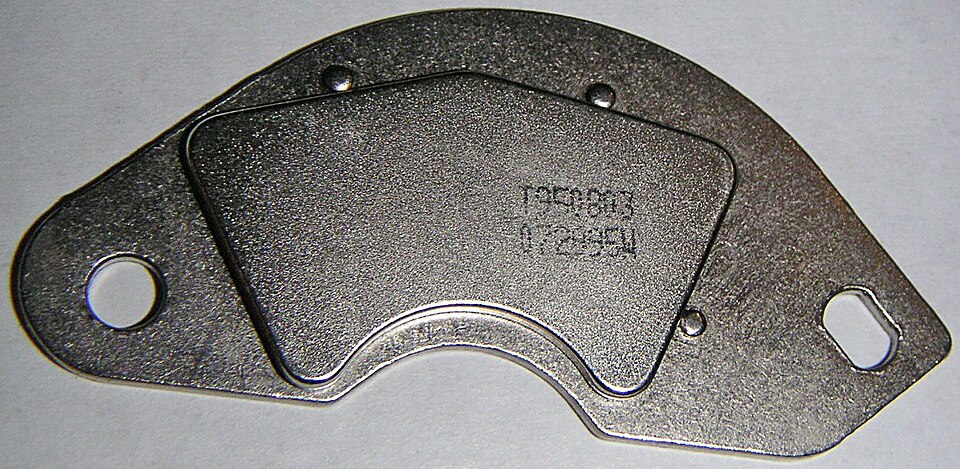
Magnetic fields pass through most materials like light through glass. So how do you protect a sensitive sensor sitting next to a strong motor? The answer is magnetic shielding.
Redirect, don't block
Magnetic shielding does not stop field lines the way a wall stops sound. Instead, the shield is made of a high-permeability material — one that conducts magnetic flux very easily, such as mu-metal or ordinary steel. Field lines take the easy path, bend into the shield, and travel around the protected space. Inside, the field drops to a small fraction of its original strength.
Open or closed
Geometry matters as much as material. A closed shield — a full box or cylinder around the component — works best because the field has nowhere else to go. An open shield, like a flat steel plate, only redirects the lines near it, so it helps but leaves a weaker field behind. When you need really low fields, several thin layers with air gaps between them outperform one thick layer.
Where shields show up
You meet shielding more often than you think. Metal cases around speakers and electronics, protective sleeves around sensors, and the shielded rooms that house MRI scanners all rely on it. Even shipping strong magnets uses shielding: steel plates or boxes around the package keep the field from magnetizing nearby cargo.
Practical tip: if a sensor misbehaves near a motor, try a simple steel enclosure first — it is often enough before you spend money on exotic alloys.
Read on: magnetic circuits → · permeability and reluctance →