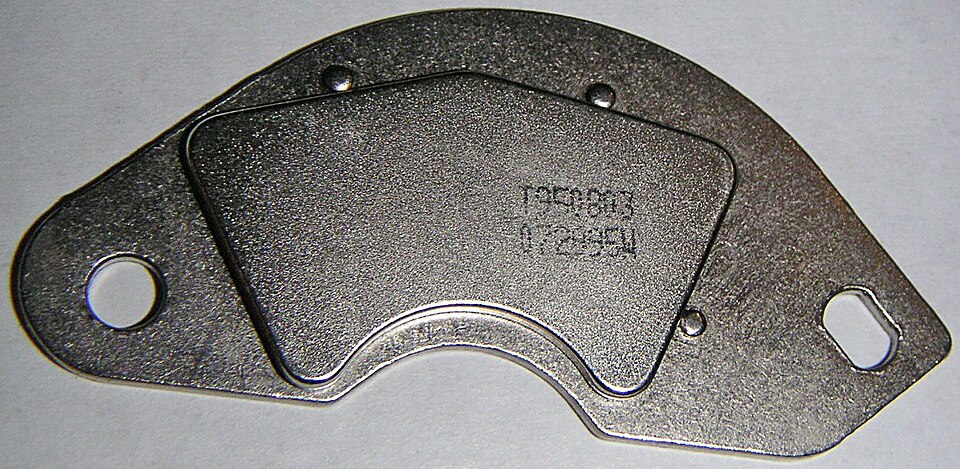
Aircraft are crammed with magnets. They sit inside actuators that move flaps, pumps that move fuel, sensors that report positions, and generators that make electricity for the whole plane. Most passengers never see one — but the plane would not fly without them.
Why aerospace is different
Airplane parts face brutal conditions: extreme temperature swings from the ground to high altitude, constant vibration, and strict weight limits. A magnet that demagnetizes at altitude, or corrodes quietly over years, is a safety risk, not just an inconvenience. Reliability matters more than cost.
SmCo: the aerospace favorite
Where temperatures run high and stability is critical, engineers often pick samarium-cobalt (SmCo) magnets over NdFeB. SmCo keeps its strength at much higher temperatures and resists corrosion without a coating. The trade-off is lower strength than NdFeB and a higher price — a trade that is usually worth it in the air. You can compare the two in our SmCo guide.
Magnetic cleanliness
There is one more rule unique to aviation: magnetic cleanliness. A strong stray magnet near a compass or a flight instrument can bend the needle — literally. Aircraft assemblies are checked so that magnets do not interfere with navigation equipment, and loose magnets are kept far from sensitive instruments.
Practical tip
If you are choosing a magnet for an aviation application, check both the maximum operating temperature and the long-term stability at that temperature. A magnet that works on the bench may not survive a decade of vibration and thermal cycling.
Read on: SmCo magnets explained → · heat and magnets →