Open any smartphone, laptop, earbuds or smartwatch and you will find small NdFeB magnets in at least three places. In the 3C world (computers, communications, consumer electronics) magnets do three jobs: sound, motion and attachment.
1. Sound: the speaker
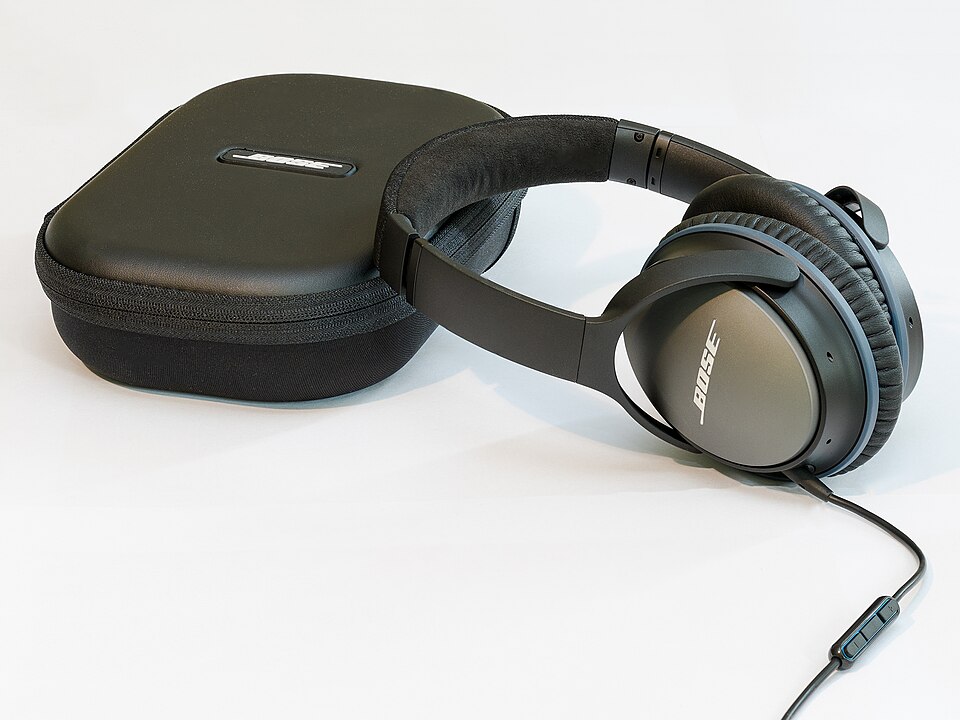
A speaker is a magnet motor for air. When audio current flows through the voice coil, its field pushes against the speaker magnet's and the diaphragm moves — that is how sound comes out. In a phone the magnet must be tiny but strong — typically a high-grade magnet like 54SH. A laptop has more room, so it uses a lower grade with larger shapes; a smartwatch only needs to be heard, so a smaller magnet does.
2. Motion: autofocus and vibration
Two tiny “motors” in a phone are linear actuators built around magnets. The voice coil motor (VCM) moves the camera lens back and forth to focus — the stronger the field, the faster the focus. The linear resonance actuator (LRA) makes the vibration you feel when tapping the screen; it starts and stops almost instantly, so the buzz feels crisp and follows your finger.
3. Attachment: the magnetic grab
The third use needs no electricity — just magnets pulling on steel or on each other. It is the ring of magnets that snaps your phone onto a wireless charger, the pair that closes a laptop lid, the latch holding a tablet stand, and the magnets that dock a smartwatch to its charger. The target is simple: the right holding force at the right gap.
Why it matters
3C magnets push NdFeB hard: high grades in wafer-thin sections, tight tolerances for automated assembly, and reliable coatings — they sit next to batteries, screens and skin. The letter after the number matters too: 54SH is a very different magnet from 54 — it shrugs off heat and stays strong in a tiny, hot device.
Read on: inside the loudspeaker → · hollow-cup motors →