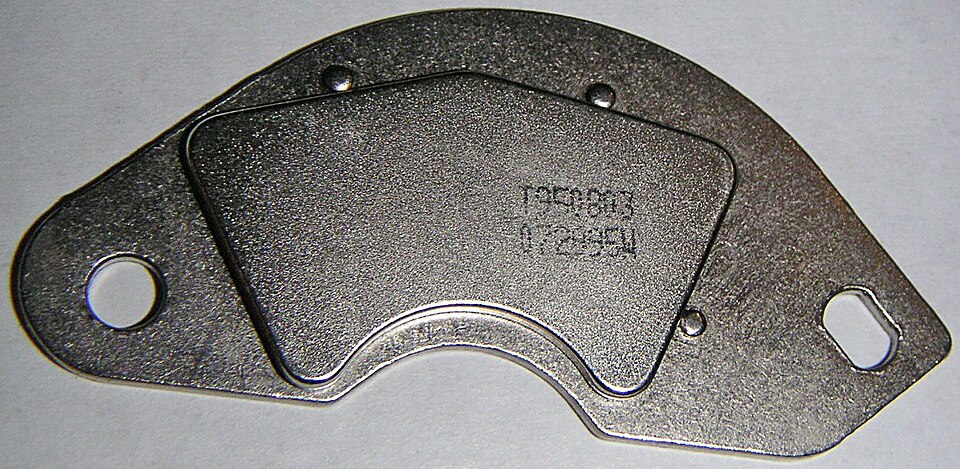
Imagine electroplating, but with paint instead of metal. That is electrophoretic coating — e-coat for short — one of the most popular protections for NdFeB magnets. The name means "carried by electricity", and that is exactly the trick: the magnet is dipped into a bath of water-based epoxy paint, and an electric current pulls the charged paint particles onto the surface, where they stick and build up into a smooth, uniform film.
Why electricity makes it better
Because the paint is pulled by electricity rather than sprayed on, it reaches every corner: edges, grooves, blind holes and complex shapes that spray painting simply cannot cover evenly. As the film grows it insulates, so the current evens out and the coating ends up the same thickness everywhere — no thick drips, no thin patches.
What you get
The result is a tough, tightly bonded epoxy layer that shrugs off salt spray, moisture, acids and alkalis. It is the coating of choice for motors, sensors and anything that lives in humid or chemically harsh conditions, and it is remarkably efficient — nearly all the paint ends up on the parts instead of being lost in the air.
Two tips
E-coat faithfully copies the surface underneath it, so clean, scratch-free parts give clean, flawless coatings. And it often works even better paired with other treatments: a phosphate layer underneath improves adhesion, and passivation fills any leftover pores. Parts are hung on racks rather than tumbled in barrels, so every surface faces the current evenly — which is why e-coat suits complex shapes better than plating does.
Read on: all magnet coatings compared → · phosphating: the cheap pre-treatment →