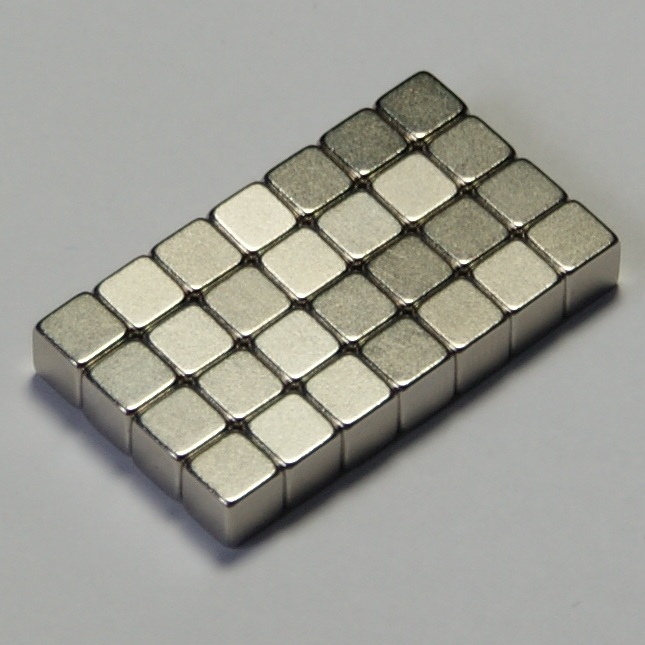
Passivation is the quietest member of the magnet finishing family — a chemical treatment that grows an ultra-thin, almost invisible protective film on the surface. It is quick, cheap and environmentally friendly, and it keeps magnets alive when nothing else is needed yet.
How it works
The magnet is dipped in a mild chemical solution for a few minutes. The solution reacts with the surface to form a thin film — only a fraction of a micrometre, hundreds of times thinner than a human hair and often hard to see with the naked eye — that slows corrosion the way a raincoat slows rain. Modern baths are chromium-free, so there are no heavy-metal worries.
What it is good for
Passivation shines in three jobs. It protects magnets during storage and shipping, when weeks in a warehouse could otherwise start rust. It cleans the surface of loose magnetic dust that could contaminate a device. And it plugs the tiny pores of other coatings — a passivation step on top of phosphating or zinc plating makes the whole stack last longer.
The honest limit
A film this thin cannot carry the full corrosion load forever. Passivation is a short-term shield and a helper, not a final finish for outdoor service — which is fine, because it is also the cheapest protection in the toolbox, and later coatings can be applied right over it. In many finishing shops it is simply the last bath before packing, a final insurance that parts arrive clean, dry and rust-free.
Read on: coatings compared → · phosphating: the low-cost cousin →