Permanent magnets are the quiet workhorses of modern life: they produce force with no power input, no wiring and no wear. Here is the quick tour of where they show up.
Motors and generators — the biggest share
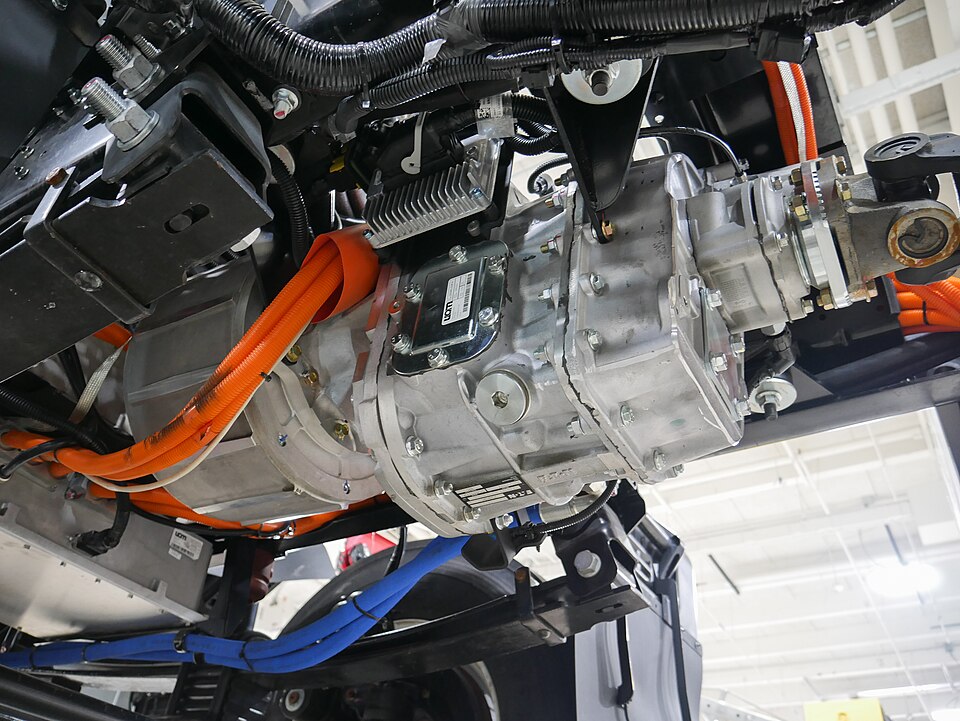
Electric machines consume most of the world's magnets. NdFeB rotors make EV traction motors, wind-turbine generators and industrial servos smaller and more efficient; ferrite covers cost-sensitive appliances and fans.
Sensors and switches
Magnets make contactless sensing possible. Hall sensors count rotating teeth in ABS and crankshafts, detect rotor position in motors, and read e-bike throttles. Magnetic couplings even transmit torque through a sealed wall in pumps and mixers.
Audio and consumer electronics
Every speaker and headphone is a magnet at work: the voice coil pushes against the magnet's field to move the cone. A modern smartphone packs a dozen magnets — speaker, vibration motor, camera autofocus and wireless-charging alignment.
Medical
MRI scanners, hearing aids, dental prosthetics and surgical instruments all rely on compact, stable magnetic fields. If a device needs a strong field in a small volume, there is a magnet inside.
Automotive
Beyond the electric drivetrain, a conventional car contains dozens of magnets: steering assistance, wiper and window motors, fuel pumps, ABS sensors and seat adjusters. Most are small ferrite or bonded NdFeB parts.
Industry
Magnetic separators pull metal contamination out of ore, food and recycling streams; magnetic chucks, lifters and sweepers move and hold steel parts on factory floors.
NdFeB wins on strength, ferrite on cost and corrosion resistance, SmCo on temperature, AlNiCo on heat plus shape tolerance. Start from working temperature and required force, then pick the material.
Read on: magnets in electric motors → · how to choose a magnet →