Permanent magnets have a long and simple story. Each era added one improvement: holding a stronger magnetic field without losing it. Here is the whole arc in six steps.
Six eras, six breakthroughs
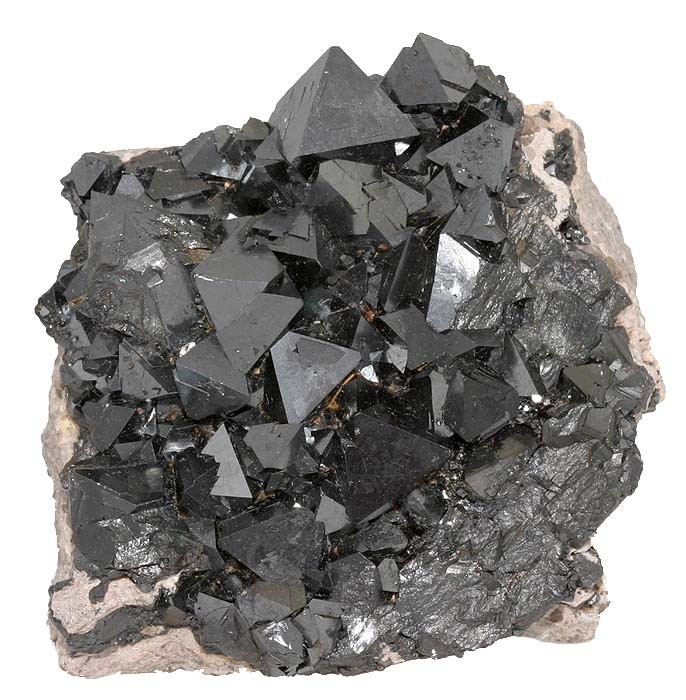
- Magnetite (antiquity) — the natural iron-oxide stone called lodestone was the first magnet, strong enough to attract iron and point a compass needle. It launched navigation and the study of magnetism.
- Steel (18th–19th century) — hardened steel bars, later alloyed with tungsten and cobalt, made the first artificial magnets — far stronger than lodestone and good enough for compasses, telegraphs and early instruments.
- AlNiCo (1931) — aluminum-nickel-cobalt alloys were the first strong cast magnets, with excellent heat resistance; they still dominate high-temperature instruments today.
- Ferrite (1950s) — cheap, corrosion-proof ceramic magnets needing no rare earths. Not the strongest, but by volume the most-used magnet ever: every loudspeaker and fridge seal relies on it.
- Samarium-cobalt (1960s–70s) — the first rare-earth magnets, roughly ten times stronger than ferrite, with superb temperature stability — at a price that limited them to aerospace and defense.
- NdFeB (1983) — neodymium-iron-boron magnets beat everything that came before, using mostly abundant iron. They are the strongest permanent magnets in production, powering EVs, phones, wind turbines and robots.
The real theme of the story
Every step forward was about coercivity, the ability to resist demagnetization. Lodestone and steel lost their magnetization easily; modern NdFeB holds its field against heat, shock and opposing magnets.
Each family is still in use today because they fill different jobs: ferrite for cost, AlNiCo for heat, SmCo for extreme environments, NdFeB for maximum strength.
Read on: where magnets are used → · magnet materials compared →