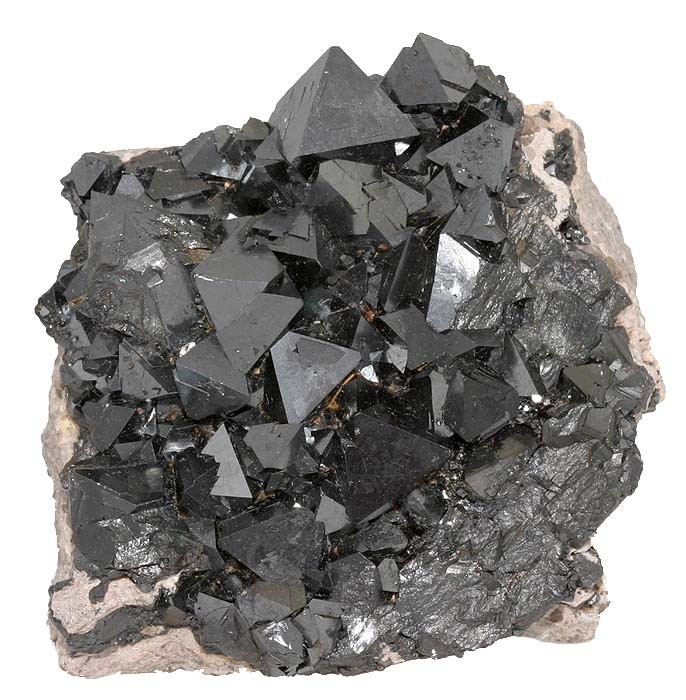
A magnetic separator is a simple machine with a big job: it uses magnets to pull iron and other magnetic bits out of materials that should not contain them. Industry uses it everywhere — from mining to food factories.
How it works
Material flows past a magnetic system — often inside a rotating drum or as a grille of magnet rods. Magnetic particles are pulled aside and held, while everything else continues on its way. Later the captured metal is wiped or washed off. No filters to clog, no chemicals — just magnetic attraction.
Three big jobs
- Mining: concentrating iron ore — magnetic mineral is pulled out of crushed rock, raising the grade of the product.
- Food processing: removing metal fragments from flour, sugar, cereals and spices before they reach your table.
- Recycling and manufacturing: pulling steel out of waste, and protecting crushers and machines from stray metal.
Ferrite or NdFeB?
The magnet material decides how strong the separator can be. Ferrite blocks are cheap and good enough for most de-ironing duties. NdFeB pulls much harder, so it captures fine, weakly magnetic particles that ferrite would miss — and it lets the machine work through thicker layers of material.
In practice, many drums use both: a ferrite base with NdFeB inserts where the field must be strongest. It is a good example of matching the magnet to the job — and of why engineers care about the field at the working gap, not just on the datasheet.
Read on: ferrite magnets — the cheap workhorse → · four magnet families compared →