Open a modern car and you will find dozens of magnets — some hold parts in place, but most do real work. From the motor that drives an electric car to the tiny sensors that watch the wheels, magnets are the quiet workhorses of the automobile.
The electric drivetrain
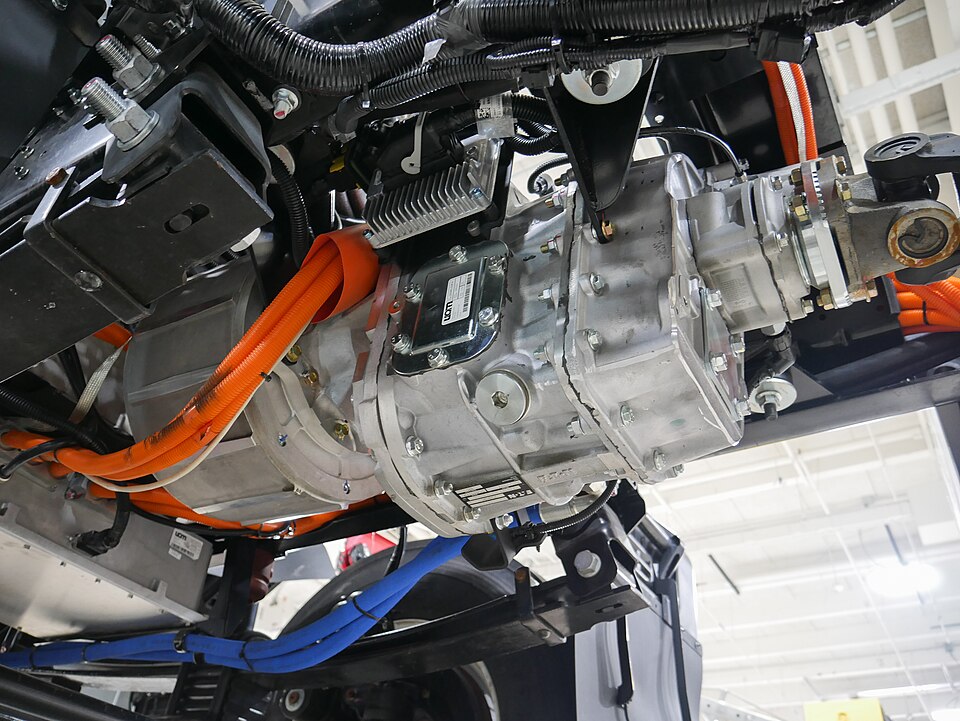
The headline use is the traction motor in electric and hybrid cars. Most EV motors are permanent magnet synchronous motors (PMSM), with strong NdFeB magnets embedded in the rotor. Because the magnets make a field without needing power, the motor stays efficient — a big reason EV range keeps improving.
Older cars relied on starter motors and alternators too, often with ferrite or older magnet materials. Many modern designs now share the same NdFeB technology.
Magnets in every system
- Sensors — wheel speed for ABS, crankshaft and camshaft position for the engine, gearbox position, steering angle.
- Electric power steering — the motor with magnets gives the assist you feel through the wheel.
- Speakers — every radio, chime and warning tone.
- Actuators and latches — power windows, mirrors, doors, and the small motors that adjust seats.
- Wireless charging — alignment magnets guide the phone or pad into position.
Why automotive magnets are special
Car magnets live in a harsh world: engine-bay heat, cold winters, vibration and road shock. Heat is the big enemy — a magnet that gets too hot permanently loses strength — so automotive NdFeB uses temperature-resistant grades, and the motor's magnetic circuit is designed to protect the magnets from demagnetizing fields.
Practical tip
When replacing any automotive magnet or magnetized part, use the exact grade the manufacturer specified. A "stronger" magnet is not automatically better — the wrong temperature grade can fail within a season.
Read on: magnets in motors → · temperature and magnets →