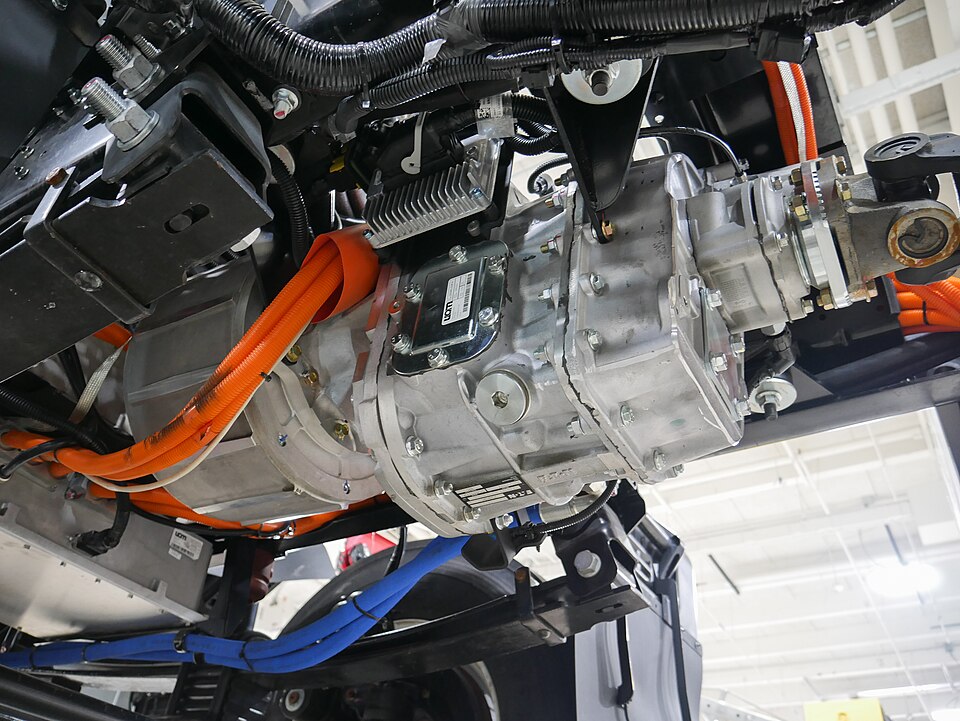
Motor efficiency classes are official ratings that tell you how much of the electricity a motor draws actually becomes mechanical power. They exist so buyers can compare motors from different makers on a fair, standard scale.
The IE classes
The international IEC standard defines four main classes:
| Class | Name | Meaning |
|---|---|---|
| IE1 | Standard efficiency | Basic legal minimum in many markets |
| IE2 | High efficiency | Better, common in older equipment |
| IE3 | Premium efficiency | Required for many new motors today |
| IE4 | Super-premium | The top tier for the most demanding applications |
The higher the class, the less energy is wasted as heat.
NEMA Premium and IE
North America uses the NEMA system, where NEMA Premium motors roughly match IE3, with some designs reaching IE4. NEMA also has standard and energy-efficient tiers below Premium, covering much the same ground as IE1 and IE2. The exact mapping depends on motor size, so check the nameplate rather than assume.
Why this matters to buyers
Motors run for years, often continuously, so a few percent of efficiency is real money in electricity bills — and real carbon emissions. That is why regulations in Europe, the US and China keep raising the minimum class. In practice, buying the most efficient class that fits usually pays for itself over the motor's life.
The magnet angle
Permanent-magnet motors naturally land in the top classes — the magnets supply the field for free, cutting losses. When you compare motor offers, check the class rating alongside price and size, and remember that standards like GB standards play the same role in China.
Read on: magnets in motors → · GB standards guide →